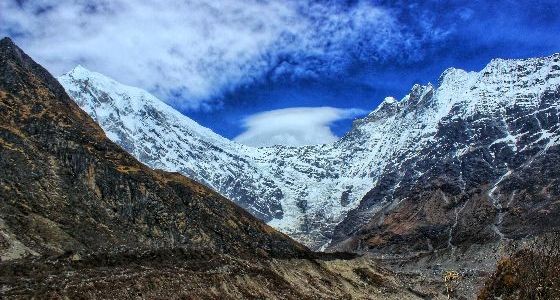
A week on from the Nepal-Tibet flood disaster
By Ben Kaldi, the Australian Science Media Centre
Seven of the missing Australians have been confirmed safe, but 36 others remain missing after the devastating floods in Nepal and Tibet.
The immense surge of water that washed down the Bhote Koshi valley has claimed over a thousand lives, with many rescue efforts still underway to help or rescue any remaining people in the area.
Earlier this week, the AusSMC looked to several experts to help explain what triggered the floods, and what was likely to happen next.
“Considered a Glacial Lake Outburst Flood (GLOF), essentially a massive broken chunk of ice from the melting glacier in the Himalayas rushed downstream, gathering together an avalanche of debris, mud and rocks to form a gigantic flash flood with devastating effects on the settlements in its path,” Associate Professor Iftekhar Ahmed from the University of Newcastle told the AusSMC.
While the exact source of all the water remains somewhat unclear, the sheer volume of what made its way to the towns, and how quickly it hit, reinforces a need to look at potential hazards more holistically.
“[This comes with] two main lessons – 1. Hazards should not be viewed in isolation; the combined impacts of multiple hazards should be expected and prepared for; and 2. The underlying culprit is climate change – ongoing and insidious - which was the key generating factor, pointing to our need to understand how to prepare, mitigate and build resilience for a changed and changing climate and environment,” Professor Ahmed added.
But can a disaster like this be better prepared for? Curtin University’s Professor Chris Elders explained, “There was only about seven minutes between the earthquake caused by the glacier collapse and the wave engulfing the border crossing at Gyirong Port, meaning that there was little time to provide warnings in situations such as this."
Hydrology experts said it’s slightly harder to point out areas in need of better monitoring for this kind of issue, as most models, and most people living in these valleys, know that clear skies mean very little risk of the kind of flooding they would see during the monsoon season.
“As the Himalaya warms, these events are expected to increase,” said Mr Suraj Shah, a PhD student with the University of New South Wales.
“The uncomfortable lesson from Bhote Koshi is therefore not that we need a better forecast, but that some floods may never offer the warning time, and that important decisions must be made long before the water starts moving.”
While many researchers noted the immediate consequences of a disaster such as this, many others pointed out the ensuing deterioration in population health could be equally consequential.
Joshua Tunley, a contracted Lecturer in Paramedicine at the University of the Sunshine Coast and a volunteer Medical Disaster Relief Technician, explained that “the initial burden of traumatic injury may be followed by a complex secondary health crisis."
"This is often driven by displacement of the local populace, disrupted healthcare infrastructure, overcrowding, compromised sanitation, limited access to clean water and interruption of essential medical services.”
“Under these conditions, already vulnerable communities face an increased risk of wound complications, respiratory and communicable disease, dehydration, exacerbation of chronic illness and delayed treatment of otherwise manageable conditions,” he added.
Dr Cameron Anderson from La Trobe University agreed, explaining the aftermath of this disaster is likely to go on for quite some time, and disease and infrastructure issues will linger at a time when many people are displaced from their homes.
"As with any disaster, as time goes on, the likelihood of finding survivors fades. The impacts of such a significant loss of life are huge. Families, friends, local networks, and workplaces will never be the same," he said.
You can read the full Expert Reaction here.
Contact: Ben Kaldi
Phone: +61 8 7120 8666
Email: info@smc.org.au